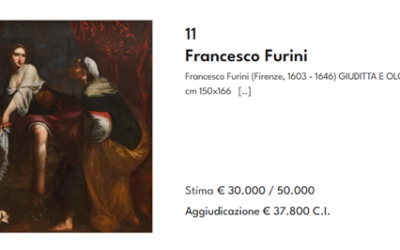
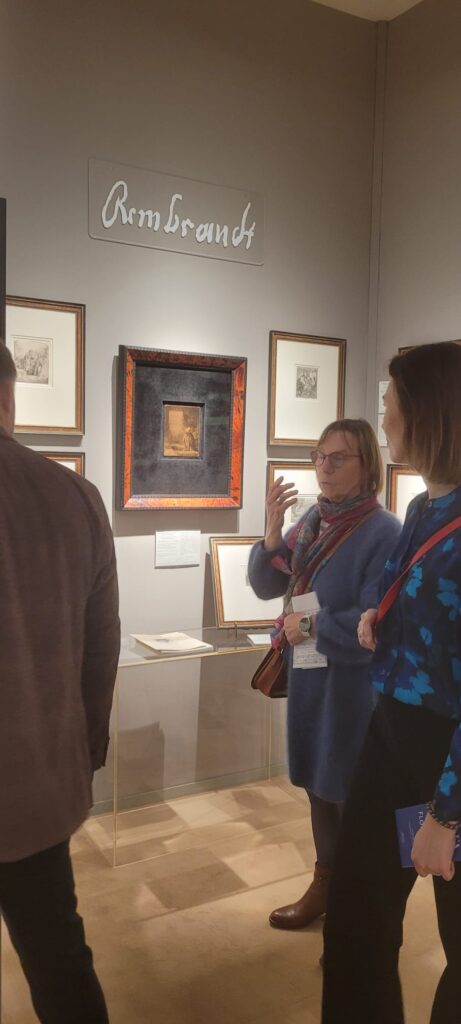
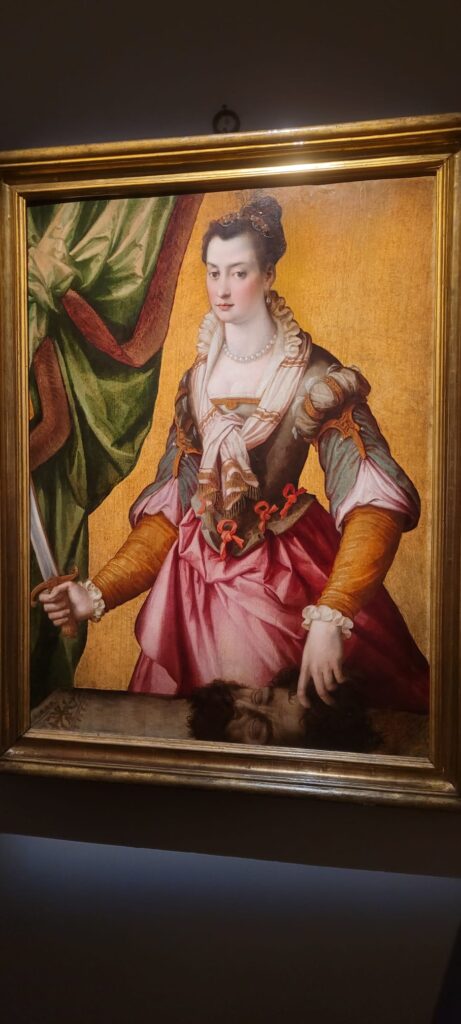
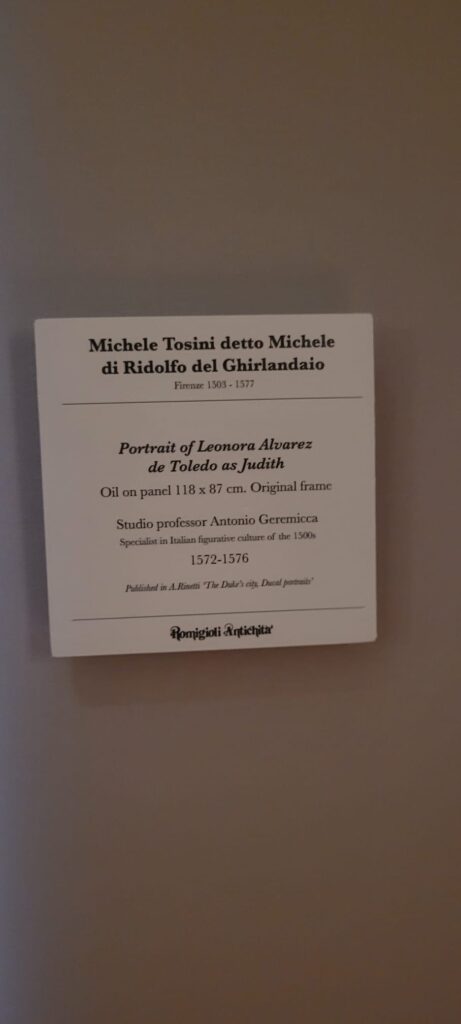
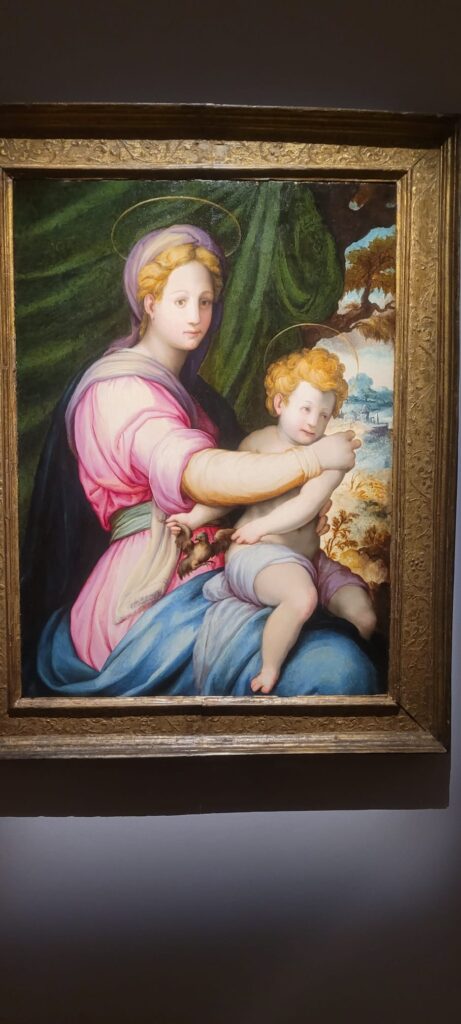
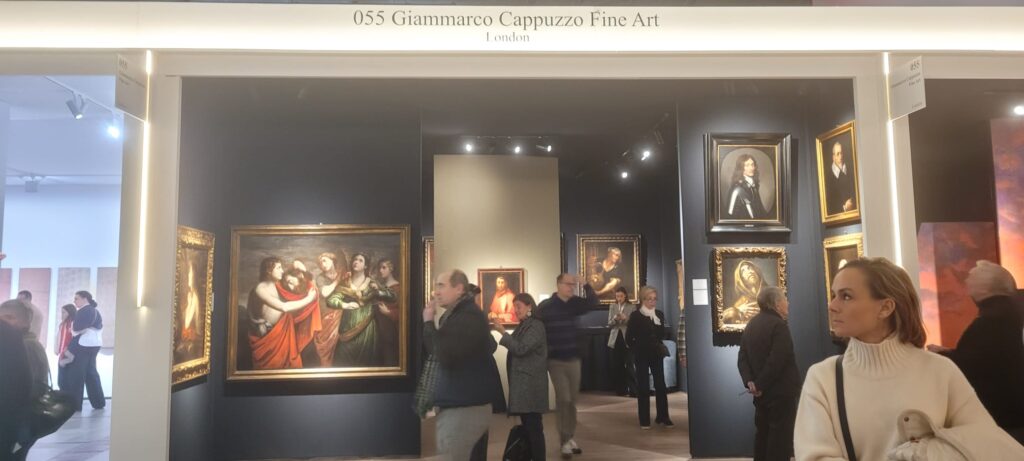
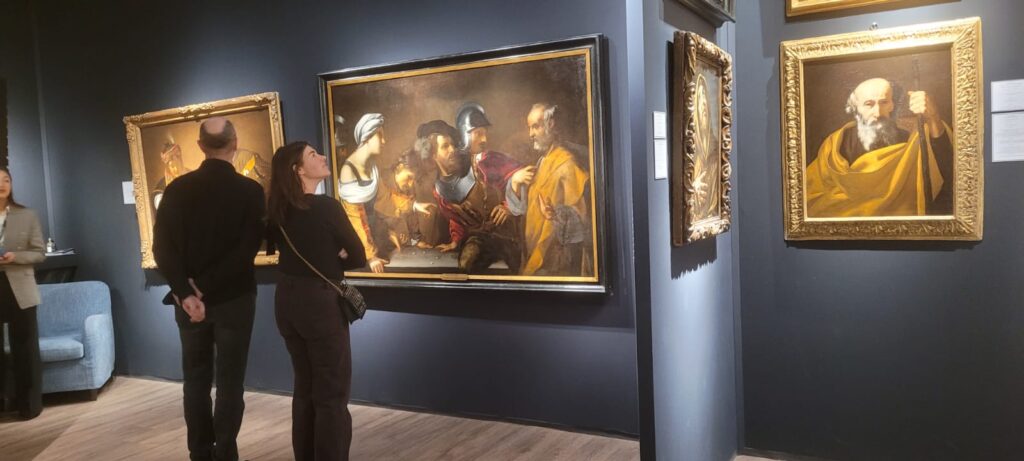
Among the exhibited paintings, there is an unpublished oil on paper by Rubens, along with several works stylistically attributable to him which, however, the vetting committee chose to classify as studio works. There are also over 40 prints by Rembrandt, many works by Brueghel the Younger, and Flemish art in great abundance overall: early works, modern, and contemporary. There were also other (few) Old Masters, including some Italian artists. Among them an unsettling Pontormo presented by Giammarco Cappuzzo, and then Artemisia and Orazio Gentileschi, Michele di Rodolfo del Ghirlandaio, Guido Reni, and other paintings of good quality, although not all restored with great care.

Modern paintings are far more numerous overall, and contemporary works even more so, with major names such as Ai Weiwei. A deliberate and openly displayed mix of ancient and contemporary art—also within individual stands, which are increasingly less mono-thematic.

Ai Weiwei, for his part, presented a reconstruction of The Death of Marat made entirely of LEGO bricks.
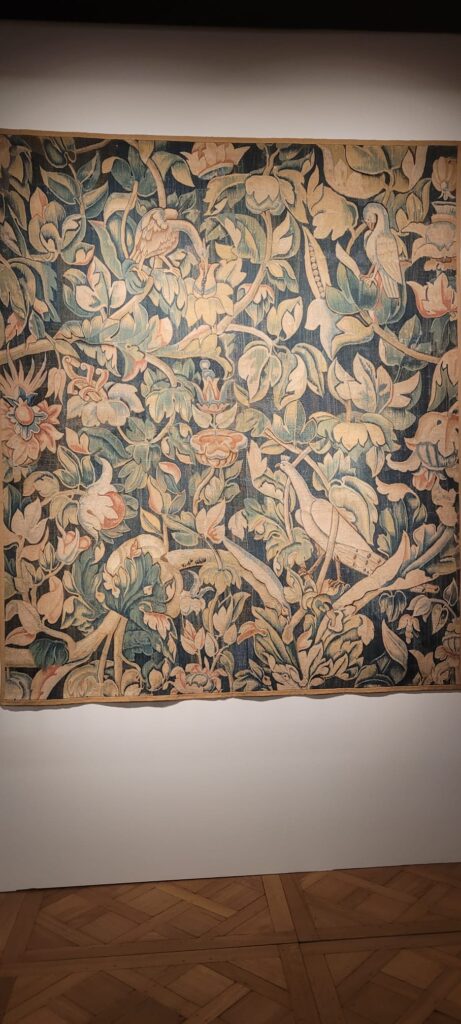
Naturally, there are also many objects, sculptures, and pieces of furniture from every period.
As of January 27, 148 exhibitors and 25,000 visitors had already crowded the fairgrounds. This year, compared to the previous edition, BRAFA added an entire pavilion to host additional stands, as well as a long sequence of restaurants and bars, offering high-level hospitality services. During the preview days, oysters were even served by waiters in livery. An approach worthy of its rival TEFAF (scheduled from March 14 to 19), which, by contrast, seems to be experiencing some difficulties.
BRAFA is growing to meet the expectations of a market traditionally driven by the strong purchasing power of Belgian collectors, heirs to substantial family wealth. At the same time, it is also aiming to attract a broader audience. Italian and Spanish were the most commonly heard languages at the fair, followed by some British English, and very little American English.
One notable development we observed is that the price of the artworks is not always something you need to ask for. In many cases, it is already listed on the label. Almost as if to say: these are affordable prices—give it some thought. And indeed, sales have started well, with many red dots on display.
Among them were those of the Italian gallery Mearini, participating for the third time.




So, is everything going well?
Yes, everything is going well, including that typically Belgian understatement. It may not attract the most exhibitionist buyers, those seeking a social occasion to demonstrate that they can, but it does appeal to “old money”—the core group of collectors who have been driven by passion for generations. The only regret, though this is a personal opinion, is the strong prevalence of a very cheeky kind of contemporary art, rarely synonymous with quality and closer to decoration, likely to turn into a disappointing investment.
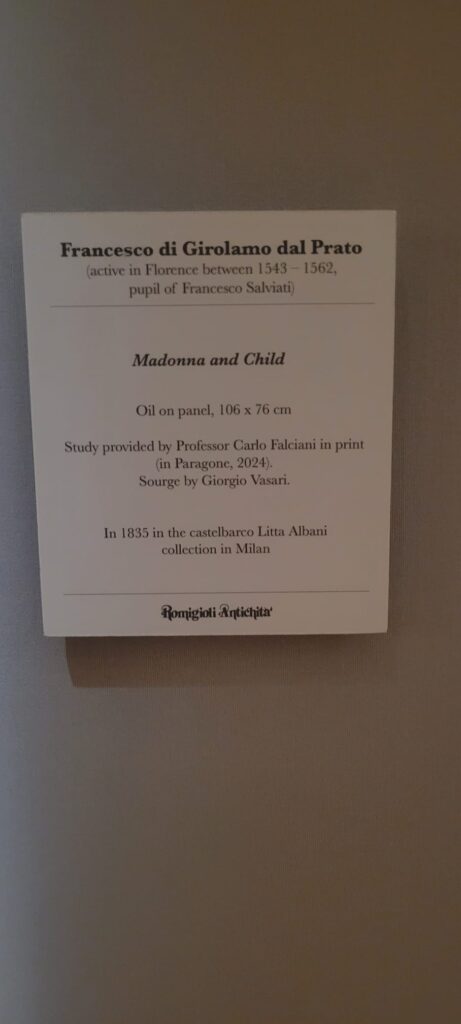
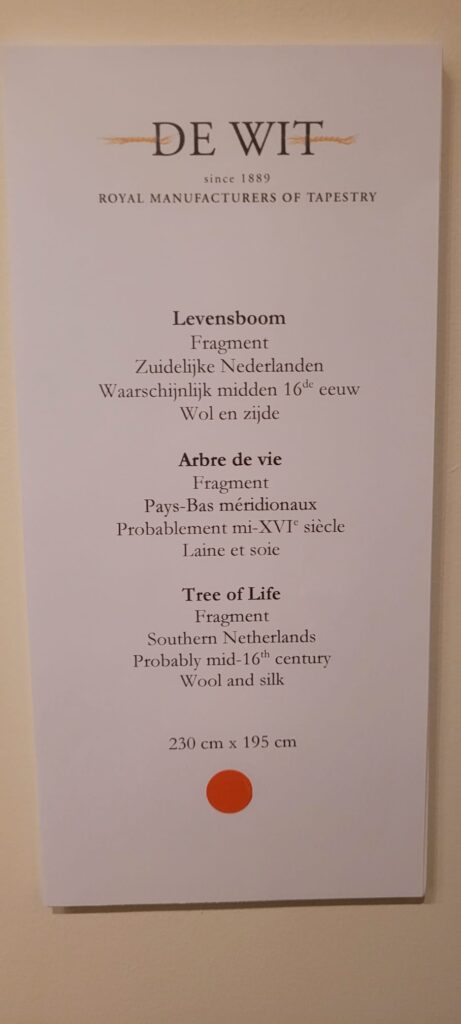
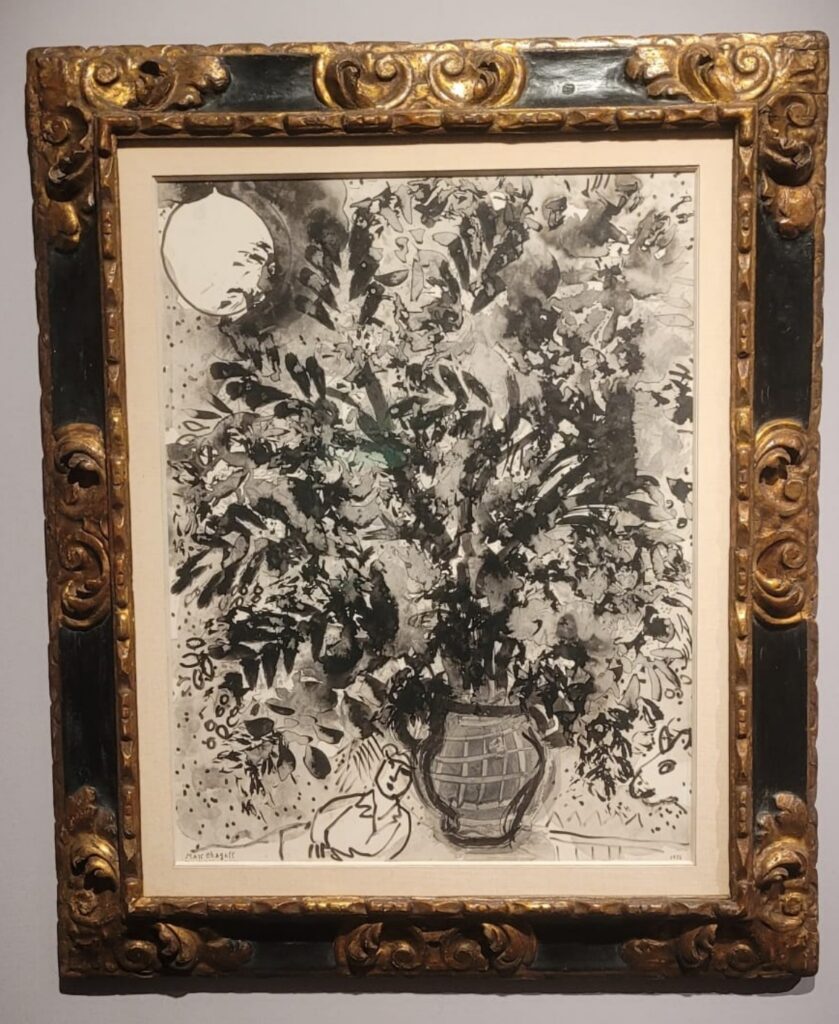
In the image gallery above you will find the works that caught our attention: often those marked with a red dot, those with prices displayed, or those created by women artists.
The fair is open until February 1, should you feel inspired to visit in person.