The measures proposed by Mollicone (Brothers of Italy) to support the art market continue, yet these same measures risk leading to a new plundering of Italy’s cultural heritage.
Following the definitive approval of the law “Valorizzazione sussidiaria dei beni culturali” (Subsidiary Enhancement of Cultural Heritage), starting May 4, 2026, the export of artworks created over 70 years ago and valued under €50,000 will no longer require the Attestato di Libera Circolazione (ALC). Instead, it will be replaced by the DVAL 50_MILA form, available on the SUE portal (Export Offices System of the Ministry of Culture), with its validity extended from six months to five years.
Mollicone, a member of Fratelli d’Italia, had already initiated a shift in Italy’s approach to national art protection in July 2025 by introducing a 5% VAT rate on art sales—one of the lowest in the world, though not applicable to all transaction types.
The issue is that our heritage is now being treated not only as an identity and historical asset but also as an economic opportunity. This marks a departure from the infamous statement “con la cultura non si mangia” (“you can’t eat culture”), made years ago by then-Minister Tremonti. However, it seems we are now feeding primarily the art dealers.
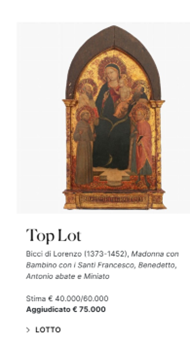
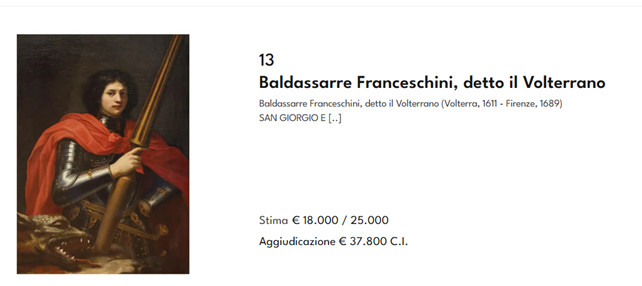
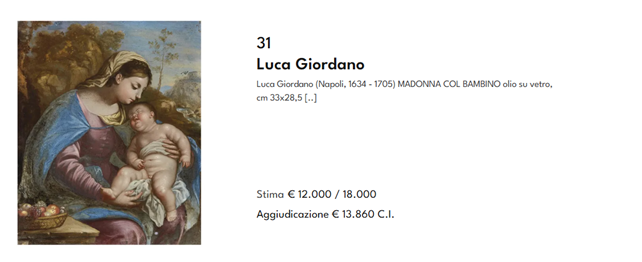
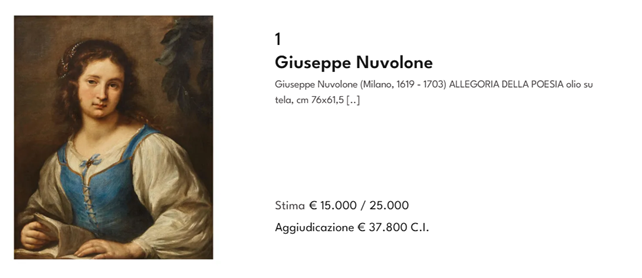
The stated goal is to make the Italian system more competitive and aligned with European standards, facilitating transactions. Indeed, EU Regulation 116/2009 sets a threshold of €150,000 for paintings. In France, the threshold is €300,000 for paintings, €100,000 for sculptures, €30,000 for drawings, and €20,000 for prints. In Germany, the limit is €300,000 for paintings. Even with the new threshold, Italy remains well below European standards.
However, given Italy’s unique characteristics—a country that still possesses many artworks precisely because of past restrictions, yet has failed to turn this wealth into economic advantage—there is a risk of “scraping the bottom of the barrel” by selling off the family gold.
Under the old €13,500 threshold, many works by minor or regional masters (though historically significant) were effectively trapped in Italy. Now, with the threshold raised to €50,000, thousands of paintings that were previously non-exportable can legally leave the country, even if they represent an irreplaceable piece of Italian artistic history.
Even “minor” works are fundamental to our heritage: they may not be absolute masterpieces, but they are part of Italy’s artistic fabric (regional schools, workshops, lesser-known masters). They document local history (Tuscan, Lombard, Venetian painting) and the spread of art across the country.
If these measures to ease sales for dealers were accompanied by incentives to foster collecting—both public and private—then perhaps this could make sense. As it stands, however, the law seems to benefit primarily one economic group, while the State risks losing, for a song, many important pieces of its history.
This is a political choice. The State cannot leave it to individual owners and dealers to decide what to sell, as each will always find a justification—whether out of necessity or indifference.
Italy’s cultural heritage must be protected by the State, which cannot abdicate this responsibility.