In our opinion, in 2025, dedicating a diagnostic section within art exhibitions that claim to be scientific should be essential.
Not everyone does it yet, but it is becoming increasingly common and interesting. Then there are exhibitions like “Gustav Klimt – Pigment & Pixel: Rediscovering Art Through Technology,” recently inaugurated at the Belvedere Museum in Vienna, which place technical analysis at the heart of their approach.
The Viennese exhibition offers a unique opportunity to deepen the understanding of this iconic artist.
Thanks to technology, the exhibition explores various aspects of Klimt’s art, with a particular focus on the virtual reconstruction of his Faculty Paintings and his signature use of gold.


One highlight is the painting Judith, considered a precursor to Klimt’s Golden Period. This masterpiece provides a unique chance to closely examine his extraordinary mastery in working with gold.
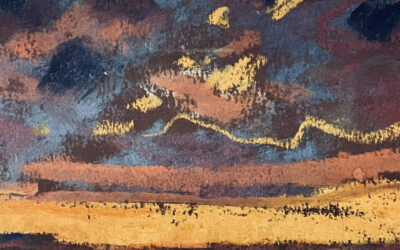
Through diagnostic analyses, the secrets behind Klimt’s legendary gilded paintings have been unveiled, revealing that he exclusively used 23.5-karat gold leaf in his works. The macro images on display allow visitors to observe up close the meticulous technique he employed to apply this precious material to the canvas.
The exhibition also features reflectography and X-rays that document Klimt’s creative process, as well as an “unfinished” work—the portrait of Analie Zuckerkandl.
This gives visitors the rare opportunity to see the preparatory drawing, usually hidden beneath layers of paint, “live”!

Another remarkable aspect of the exhibition is the hypothetical reconstruction of the colors of the so-called Faculty Paintings—three monumental canvases depicting allegories of Philosophy, Medicine, and Jurisprudence. Originally commissioned for the ceiling of the Great Hall of the University of Vienna, these paintings were tragically destroyed in a fire during World War II, leaving only black-and-white photographs as evidence.
Thanks to a collaboration with Google Arts & Culture and the use of artificial intelligence, researchers have been able to hypothesize and reconstruct the original colors of these works, offering contemporary audiences the opportunity to admire them once more. A spectacular possibility that could be applied to many other lost artworks!
This exhibition is undoubtedly an unmissable opportunity to experience Klimt’s art up close, providing a comprehensive overview of his artistic production and his contribution to the art world.
For us diagnosticians, it will certainly serve as a valuable scientific reference for future studies on Klimt’s works—or those purported to be his.