What is genius? It is imagination, intuition, sharp perception, and quick execution—according to a famous saying. But above all, it is preparation!
This was made abundantly clear when visiting Draft, a recently concluded exhibition at the Museum of Fine Arts in Brussels. The show explored the creative process of iconic artists such as Rembrandt, Rubens, Magritte, as well as Bernini, Calder, Delacroix, and many others through their sketches, studies, and preparatory drawings, including those revealed thanks to infrared reflectography.

Although these preparatory works are often the subject of study, they are rarely exhibited. This exhibition provided a valuable opportunity to understand how artists observe the world and rework details and ideas to make them functional to their vision.
Nothing brings us closer to an artist’s creative mind than seeing a preparatory sketch alongside the finished work.
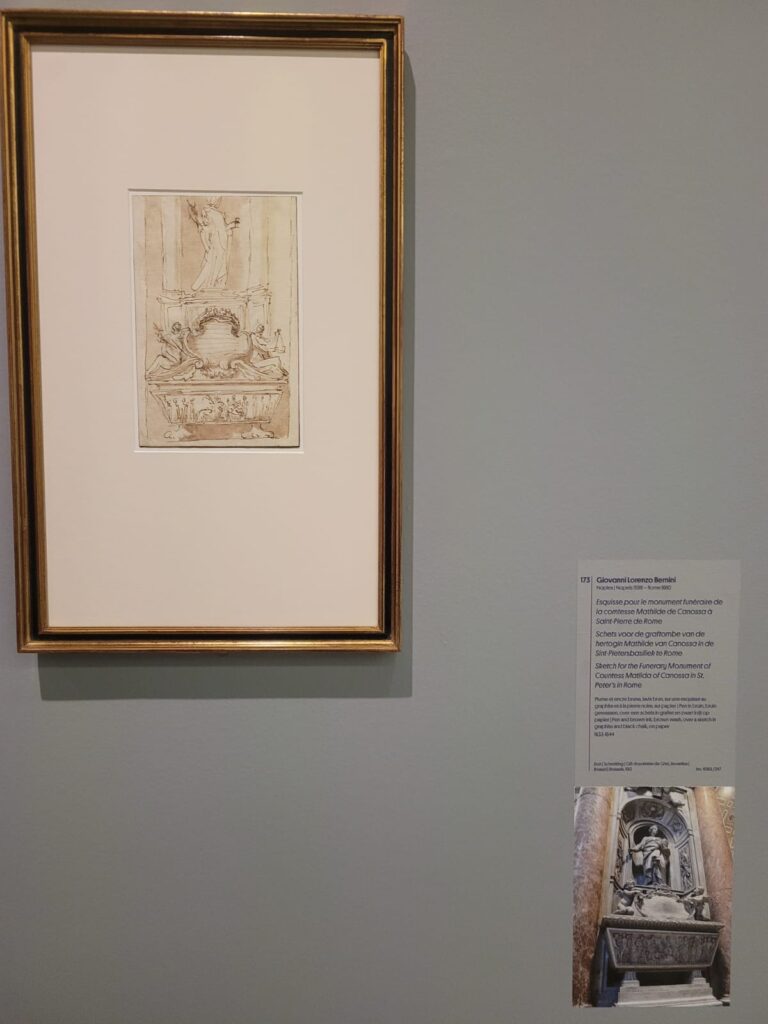
Observing these compositions—never intended as finished works but often intimate thoughts—feels like peering over the artist’s shoulder, tracing the journey from the first intuition to the final composition. A journey that is often complex, full of choices, revisions, and brilliant inventions.
This makes it clear that every work of art is the result of a long creative and meditative process in pursuit of the perfect solution. And even the greatest masters faced difficulties: per aspera ad astra—or, more prosaically, no pain, no gain.
A striking example is Peter Paul Rubens, the Baroque painter who ran his workshop with near-industrial efficiency. In Flanders, he introduced a sophisticated system of sketches, oil studies, and ricordi—essential tools for the serial production of paintings. The Museum of Fine Arts in Brussels exhibited one of the most important collections of these works, which the artist himself called disegni colorati (colored drawings). Created on high-quality supports meant to last over time, these sketches reveal all of his technical mastery and inventive richness—an essential intermediary step before the production process brought to life the grand canvases that shaped art history.
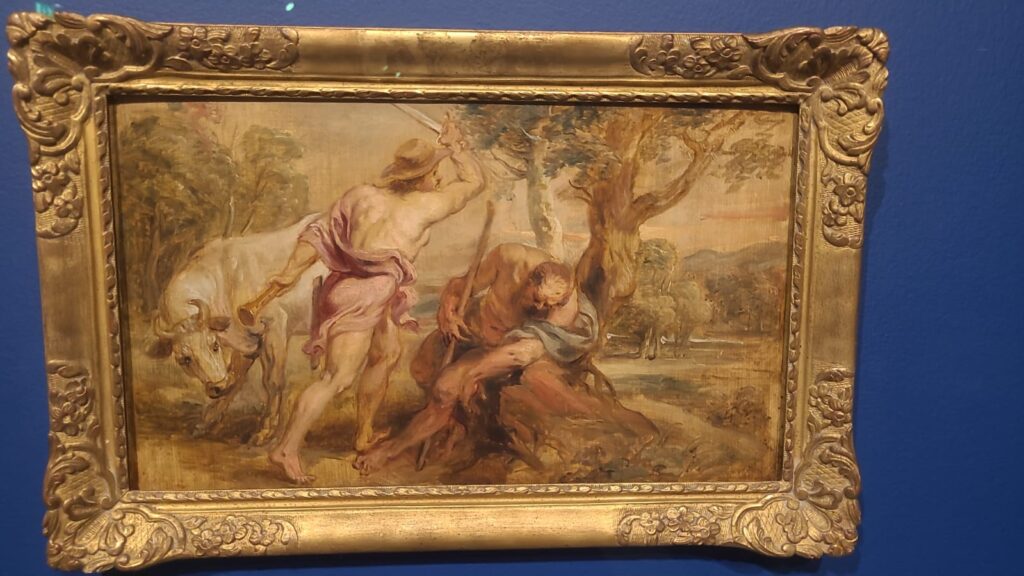
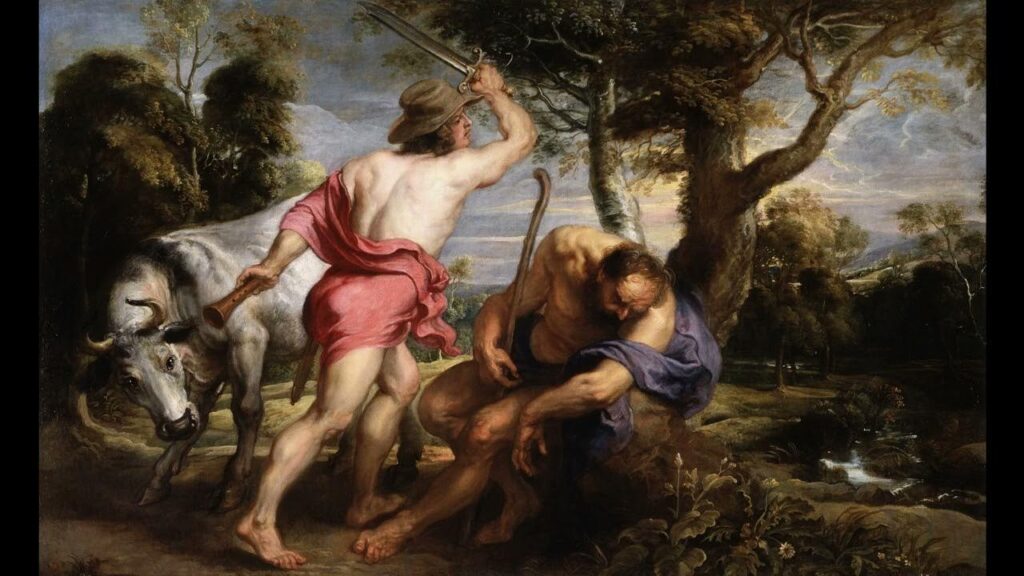
An artist’s creative process reflects not only their genius but also the technical resources available in their time. For example, the invention of paint tubes allowed Impressionists to paint outdoors, capturing scenes directly from life. However, technical analysis has shown that, despite their apparent spontaneity, even their compositions were often carefully studied.
Even the works of a Surrealist like Renee Magritte—which seem like dreamlike visions or mental voyages—turn out to be the result of careful observation and conventional artistic practices. For instance, in composing one of his most famous paintings, The Ignorant Fairy, Magritte did not imagine an idealized face but based it on a conventional portrait of Anne-Marie Crowet, first drawn in pencil and then painted in oil.
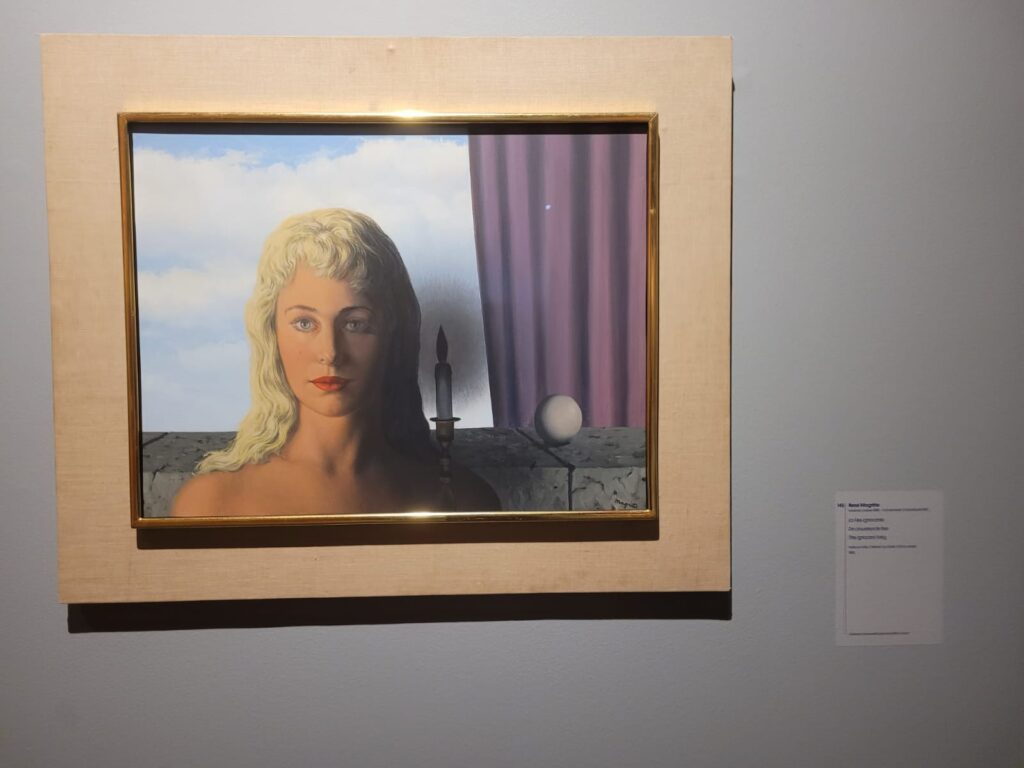
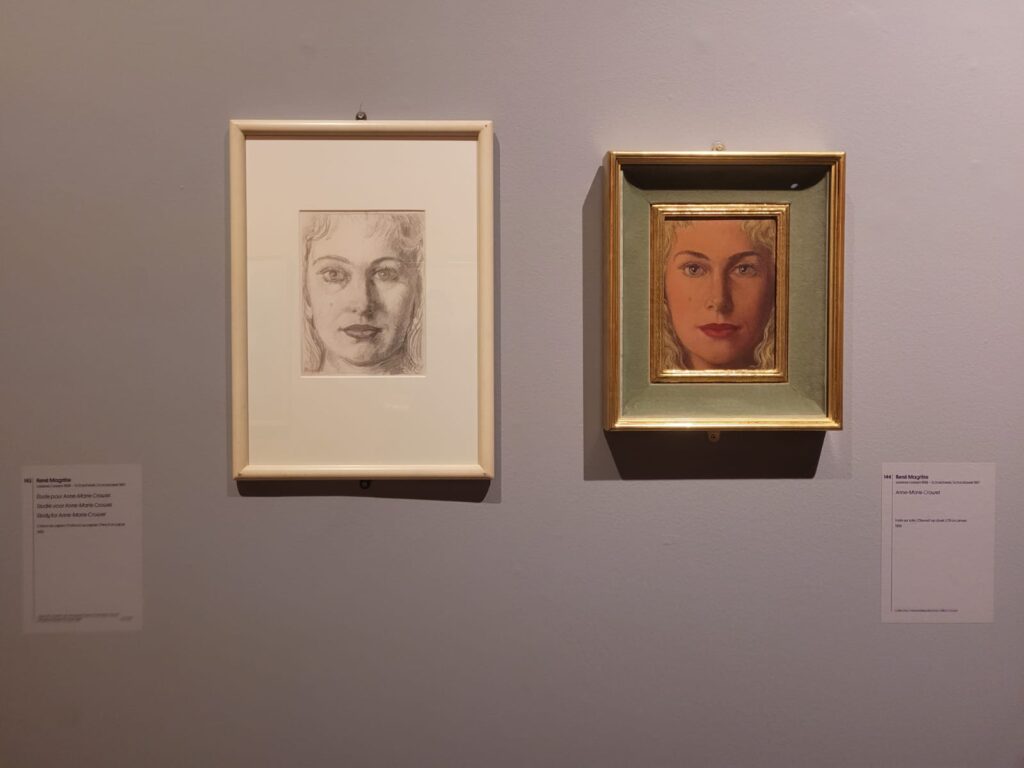
This is what makes preparatory drawings so fascinating: they bring us closer to the effort of invention, making these geniuses feel more human. They are true windows into the everyday lives of artists. That’s why the thrill of analyzing a work through infrared reflectography is indescribable: it allows us to uncover what the artist never imagined we would see—not just an unseen work, but also a part of their soul.
And if you want to experience that thrill, all you need to do is bring us a painting to investigate…